How to Buy Vintage Fine Jewelry - Estate Sales
Vintage and second-hand shopping are the fastest-growing markets for clothing, and they should also be for jewelry. While clothing loses value the more you wear it, the price of gold continues to skyrocket, making fine jewelry not only a joy to collect, but a wise investment. But how do you know if you are getting a good deal, and where do you begin?
One of my favourite places to look at vintage jewelry is estate sales. Many of them are now online, so you can skip standing in line outside waiting for your chance to go in and shop. The fine jewelry listing often includes an appraisal certificate, indicating the pieces were appraised by a professional. Each certificate lists the type and size of gemstones, any maker’s marks on the item, the karat of gold (9k-24k) or a sterling silver mark (925 is usually used), and the weight of the piece to give you the value of the metal. Each piece is weighed with the stones, so bear that in mind as you consider how that might affect the metal value. There are also sometimes coatings on metals, such as Rhodium over silver, to prevent tarnishing, which can hide cheap base metals, which makes the appraisal important.
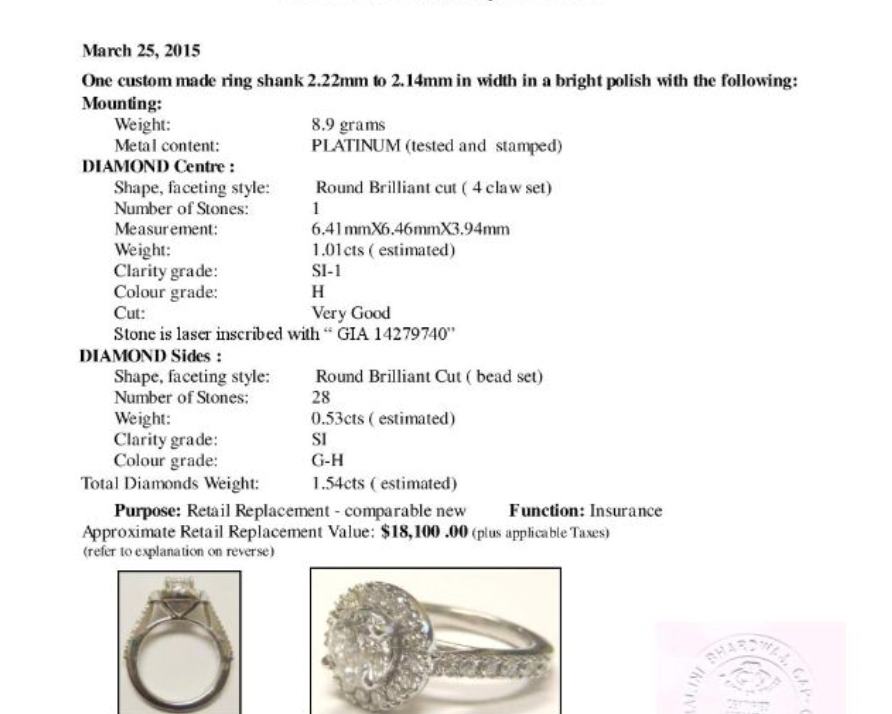
Example of an appraisal certificate.
It will include the way the stones are set, their location on the item, and may also include notes on the gem quality, such as a GIA diamond grading based on cut, clarity, and colour for a large stone. It might not tell you the entire story, such as whether a sapphire or a ruby has been heat-treated, or if an emerald has been oil-treated, but it will indicate whether a stone is man-made (synthetic) or natural. It’s always a good idea to ask questions if you are unsure and don’t want to take the chance, especially when pursuing a larger stone.
Jewelry appraisals do not consider how saleable the item is in terms of trends or wearability, and are based solely on the material value of the pieces. It’s also important to note that appraisals are always done for insurance on a replacement-value basis for insurance purposes, which is what it would cost to replace the item exactly as it is. This is generally higher than the actual price you’ll find your item listed at, since it’d have to be custom-made to match it exactly or purchased at retail. At an estate sale, fine jewelry is often sold for half its appraised value, making the sale price seem like a bargain, and sometimes it really is.
When making such a significant investment, the sales team understands you may want to look it over yourself, maybe even try it on, so they are open to a viewing even if the sale is only online. Bear in mind this is used jewelry with a personal history and might be hard-worn or dirty with loose stones. Most items can be polished and cleaned, and even have stones tightened, repaired or replaced.
Value shouldn’t be the only consideration when buying jewelry. If you are looking for something to wear, it should also fit the look you are going for and complement your personal style. Not to mention, it should work for the occasion you want it for. Most people aren’t wearing cocktail rings to the office, but they can be a really fun item to collect.
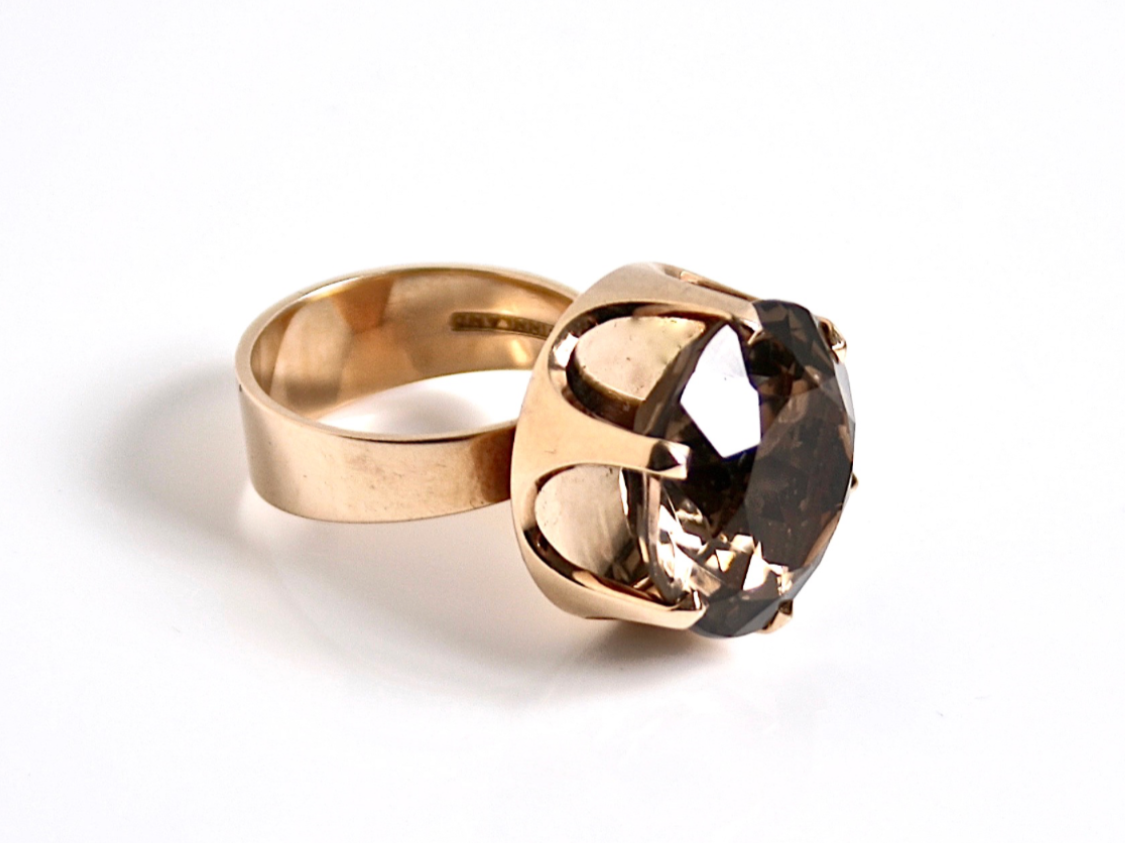
One of my own mid-century modern rings made from gold and smoky quartz.
For most of my clients, jewelry is a personal purchase that enhances their lives with something beautiful that can be appreciated while being worn. Whether it’s a fine gold chain stack, a pinky cocktail ring, or a tennis bracelet, fine jewelry adds the finishing touch to your look while also being a wise investment.
If you’d like to start investing in fine jewelry, I can help! I have built unique jewelry wardrobes for many of my clients. It begins with a consultation appointment. We can talk about your goals and work on a plan to begin your journey into the world of fine jewelry and find the pieces to make your wardrobe sing.
Get in touch here, and thanks for reading!